Nuru Massage vs. Traditional Styles: How This Japanese Technique Stands Apart
努鲁按摩的日本传统起源 —— 从海藻凝胶的护肤功效,到成为全球顶级水疗体验的演变之路。
※ 本文原为英文撰写。中文翻译版本正在准备中。
Introduction
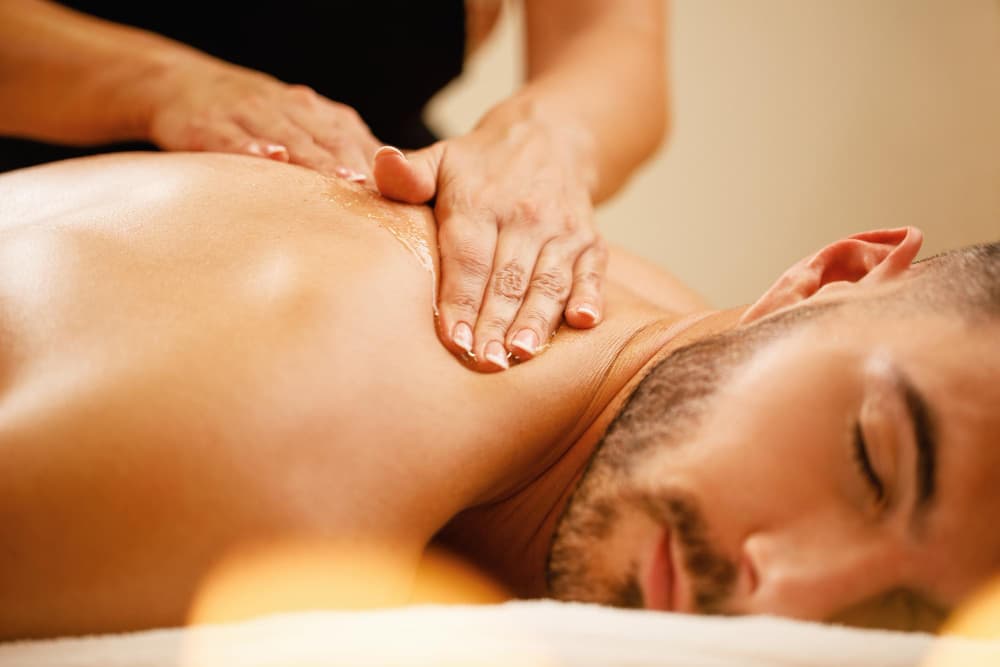
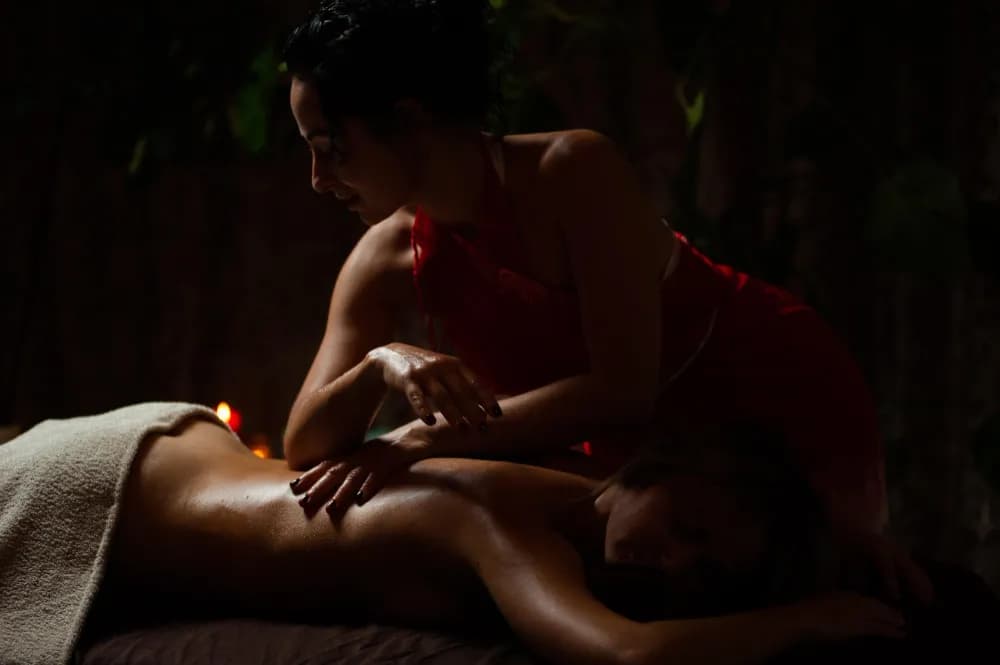
Over the centuries, various cultures have developed their own unique massage traditions, each with distinctive methods, mediums, and objectives. Among them, Nuru massage stands out as a relatively modern addition that challenges conventional approaches. Renowned for its slippery, body-to-body contact and emphasis on sensuality, Nuru massage offers an immersive, full-body experience distinct from more familiar techniques like Swedish, Thai, or Shiatsu. In this comparison, we’ll explore what sets Nuru massage apart, revealing how this Japanese-inspired style offers a fresh perspective on relaxation and connection.
Origin and Cultural Context
While many traditional massages have roots in ancient practices—such as Thai massage derived from Buddhist medicine or Shiatsu linked to Japanese healing arts—Nuru massage is a more recent development originating from Japan’s vibrant wellness and spa culture. Unlike the historically grounded techniques found in traditional styles, Nuru emerged from the desire to enhance intimacy, relaxation, and novelty in a contemporary spa setting. Its cultural backdrop is less about ancient medical traditions and more about embracing modern sensibilities of comfort, pleasure, and holistic well-being.
Choosing the Right Massage Experience
Selecting between Nuru massage and traditional styles depends on personal preferences and goals. If you seek structured therapeutic work on specific muscle groups, a traditional technique may be more suitable. On the other hand, if your priority is fostering closeness, exploring new dimensions of relaxation, or enhancing intimacy, Nuru massage provides a distinctive avenue. Both have their place in holistic wellness, and many individuals find value in experiencing a range of modalities to discover what resonates best with their needs.
Integrating Nuru Techniques into Your Routine
Some may find that introducing Nuru massage into a traditional massage practice—or combining elements of both—can create a well-rounded approach to relaxation. For those accustomed to conventional techniques, incorporating the fluid, body-to-body aspects of Nuru can open the door to deeper connection and broadened sensory exploration. Likewise, those well-versed in Nuru might benefit from occasionally experiencing a more structured style for targeted muscle work or focused pain relief.
Conclusion
Nuru massage’s defining features—its slippery gel, full-body contact, and immersive, sensual flow—set it apart from more established traditions. While it may not replace the specialized techniques and cultural richness of classical massage methods, it offers a complementary path toward relaxation, intimacy, and sensory exploration. By understanding these differences and embracing the unique qualities Nuru massage brings to the table, you can make informed choices that enrich your overall wellness journey, encouraging a balance between the time-honored and the innovative.